1. 简介
本节为非规范性内容。
准确衡量网页应用的性能特性是提升网页速度的重要部分。虽然 JavaScript 机制(如[JSMEASURE]所述)可为应用内 用户延迟测量提供全面的工具,但 在很多情况下,无法提供完整或详细的端到端延迟图景。 例如,下方 JavaScript 展示了测量页面完全加载时间的一个简单尝试:
< html > < head > < script type = "text/javascript" > var start= new Date(). getTime(); function onLoad() { var now= new Date(). getTime(); var latency= now- start; alert( "page loading time: " + latency); } </ script > </ head > < body onload = "onLoad()" > <!- 主页面内容从这里开始 --> </ body > </ html >
上述脚本是计算页面加载所需时间, 在head 内首段 JavaScript 执行之后,但 不能反映页面从服务器获取或页面初始化生命周期的耗时。
本规范定义了 PerformanceNavigationTiming
接口,该接口参与[PERFORMANCE-TIMELINE-2]以存取
与文档导航相关的高精度性能指标数据。由于 PerformanceNavigationTiming
接口采用 [HR-TIME],
所有时间值均以条目的
时间原点
与其相关设置对象为基准衡量。
例如,如果 response end 在导航开始后 100ms 发生,PerformanceNavigationTiming
数据可能如下:
startTime:           0.000  // 导航请求开始时刻
responseEnd:       100.000  // 最后接收字节的高精度时间
如下脚本展示开发者如何使用
PerformanceNavigationTiming
接口获取与文档导航相关的精确时序数据:
< script > function showNavigationDetails() { // 获取首个条目 const [ entry] = performance. getEntriesByType( "navigation" ); // 在开发者控制台以表格展示 console. table( entry. toJSON()); } </ script > < body onload = "showNavigationDetails()" >
2. 术语
表达 “一个Foo对象”,如 Foo 实际为接口,有时用于代替更准确的说法 “实现 Foo接口的对象”。
术语当前文档 指的是与Window 对象最新 Document 对象关联的文档。
在整个规范中,所有时间值均以自文档导航开始起的毫秒计。比如,文档导航起始时间为 0。 “当前时间”指从文档导航起至此刻经过的毫秒数。 这一时间定义基于[HR-TIME]规范。
3. 导航时序
3.1. 与PerformanceEntry
接口的关系
PerformanceNavigationTiming
接口扩展了 PerformanceEntry
接口的以下属性:
entryTypegetter 步骤是返回DOMString"navigation"。startTimegetter 步骤是返回一个时间值为 0 的DOMHighResTimeStamp。durationgetter 步骤是返回一个DOMHighResTimeStamp, 其值等于loadEventEnd与 this 的startTime之间的差值。
实现 PerformanceNavigationTiming
的用户代理需要
在 Window
上下文的 supportedEntryTypes
中包含 "navigation"。
这使开发者能够检测是否支持导航计时。
3.2.
与PerformanceResourceTiming接口的关系
PerformanceNavigationTiming
接口扩展了 PerformanceResourceTiming
接口的以下属性:
-
redirectStartgetter 步骤是执行以下步骤:- 如果 this 的重定向计数为 0,则返回 0。
- 否则返回 this 的
redirectStart。
-
redirectEndgetter 步骤是执行以下步骤:- 如果 this 的重定向计数为 0,则返回 0。
- 否则返回 this 的
redirectEnd。
尽管 `redirectStart` 和 `redirectEnd` 在
PerformanceResourceTiming中公开, 但它们 在导航计时中具有不同的含义,其中对于包含 跨源重定向的导航,它们返回零。 -
workerStartgetter 步骤是执行以下步骤:- 令 workerTiming 为 this 的service worker 计时。
- 如果 workerTiming 为 null,则返回 this 的原型的 `workerStart`。
- 返回 workerTiming 的开始时间。
尽管 `workerStart` 在
PerformanceResourceTiming中公开, 但它 在导航计时中具有不同的含义,因为与子资源不同,导航可以 触发 service worker 的激活或运行。 在导航计时的上下文中,`workerStart` 返回 就在 worker 被激活或启动之前测得的时间戳。有关 精确定义,请参阅 [service-workers]。 -
fetchStartgetter 步骤是执行以下步骤:- 令 workerTiming 为 this 的service worker 计时。
- 如果 workerTiming 为 null,则返回 this 的原型的 `fetchStart`。
- 返回 workerTiming 的fetch 事件分派 时间。
当service worker 被用作导航的一部分时, `fetchStart` 重载 所具有的含义与
PerformanceResourceTiming中的含义不同。 它返回就在为 service worker 分派FetchEvent之前测得的时间戳。文档导航计时条目中 `workerStart` 与 `fetchStart` 之间的时间差 可用于大致确定 worker 初始化或激活 所花费的时间。有关精确定义,请参阅 [service-workers]。
性能时间线中仅包含当前文档
资源;性能时间线中只有一个
PerformanceNavigationTiming
对象。
3.3. PerformanceNavigationTiming 接口
[Exposed =Window ]interface :PerformanceNavigationTiming PerformanceResourceTiming {readonly attribute DOMHighResTimeStamp unloadEventStart ;readonly attribute DOMHighResTimeStamp unloadEventEnd ;readonly attribute DOMHighResTimeStamp domInteractive ;readonly attribute DOMHighResTimeStamp domContentLoadedEventStart ;readonly attribute DOMHighResTimeStamp domContentLoadedEventEnd ;readonly attribute DOMHighResTimeStamp domComplete ;readonly attribute DOMHighResTimeStamp loadEventStart ;readonly attribute DOMHighResTimeStamp loadEventEnd ;readonly attribute NavigationTimingType type ;readonly attribute unsigned short redirectCount ;readonly attribute DOMHighResTimeStamp criticalCHRestart ;readonly attribute NotRestoredReasons ?notRestoredReasons ;readonly attribute PerformanceTimingConfidence confidence ; [Default ]object (); };toJSON
一个 PerformanceNavigationTiming
具有关联的
文档加载计时信息 文档加载计时。
一个 PerformanceNavigationTiming
具有关联的
文档卸载计时信息 上一文档卸载计时。
一个 PerformanceNavigationTiming
具有关联的
数值 重定向计数。
一个 PerformanceNavigationTiming
具有关联的
NavigationTimingType
导航类型。
一个 PerformanceNavigationTiming
具有关联的
DOMHighResTimeStamp
`Critical-CH` 重启时间。
一个 PerformanceNavigationTiming
具有关联的
NotRestoredReasons
未恢复原因。
一个 PerformanceNavigationTiming
具有关联的
PerformanceTimingConfidence
置信度值。
一个 PerformanceNavigationTiming
具有关联的实数
随机化触发率,
其为由实现定义的。
一个 PerformanceNavigationTiming
具有关联的 PerformanceTimingConfidenceValue
底层置信度值,
其为由实现定义的。
一个 PerformanceNavigationTiming
具有关联的 null 或service worker 计时信息
service worker 计时。
unloadEventStart
getter 步骤是返回 this 的
上一文档卸载
计时的 unload 事件开始时间。
如果上一文档与当前文档具有相同的 源,则此时间戳是在 用户代理开始处理上一文档的 unload 事件 之前立即测量的。如果不存在上一文档,或者 上一文档与当前文档具有不同的源,则此 属性将返回 零。
unloadEventEnd 的
getter
步骤是返回 this 的
上一文档卸载
计时的
unload 事件结束时间。
如果上一文档与当前文档具有相同的 源,则此时间戳是在 用户代理完成处理上一文档的 unload 事件 之后立即测量的。如果不存在上一文档,或者 上一文档与当前文档具有不同的源,则此 属性将返回 零。
domInteractive getter
步骤是返回
this 的文档加载计时的 DOM 可交互时间。
此时间戳是在用户代理将 当前文档就绪状态设置为 "interactive" 之前测量的。
domContentLoadedEventStart
getter 步骤是返回 this 的
文档加载计时的
DOM 内容加载事件开始时间。
此时间戳是在用户代理分派 DOMContentLoaded 事件之前测量的。
domContentLoadedEventEnd
getter 步骤是返回
this 的文档加载计时的
DOM 内容加载事件结束时间。
此时间戳是在用户代理完成处理 DOMContentLoaded 事件之后测量的。
domComplete getter 步骤
是返回
this 的文档加载计时的 DOM 完成时间。
此时间戳是在用户代理将 当前文档就绪状态设置为 "complete" 之前测量的。有关精确 定义,请参阅文档就绪状态。
loadEventStart getter
步骤是返回
this 的文档加载计时的 load 事件开始时间。
此时间戳是在用户代理为文档分派 load 事件之前测量的。
loadEventEnd getter
步骤是返回
this 的文档加载计时的 load 事件结束时间。
此时间戳是在用户代理完成处理文档的 load 事件之后测量的。
type getter 步骤是运行
this 的导航类型。
客户端重定向,例如使用Refresh pragma
指令的重定向,不被本规范视为HTTP
重定向。在这些
情况下,type
属性应该返回适当的值,例如在重新加载
当前页面时返回 reload,或者在
导航到新 URL 时返回 navigate。
redirectCount getter
步骤是返回 this 的
重定向计数。
criticalCHRestart
getter 步骤是返回 this 的
`Critical-CH` 重启时间。
如果 criticalCHRestart 不为 0,则它会早于除 navigationStart、unloadEventStart 和 unloadEventEnd 之外的所有其他时间戳。这是因为 它标记了 导航的重定向部分重新开始的时刻。
notRestoredReasons getter
步骤是返回 this 的
未恢复原因。
confidence getter 步骤
是运行以下步骤:
- 如果 this 的文档加载计时的 DOM 可交互时间为 0,则返回 null。
- 如果 this 的置信度值不为 null, 则返回它。
- 令 confidence 为一个新的
PerformanceTimingConfidence对象,该对象创建于 this 的相关设置对象的相关 realm中。 - 将 confidence 的
randomizedTriggerRate设置为 this 的随机化触发率。 -
按照以下算法确定 confidence 的
value:- 令 p 为 confidence 的
randomizedTriggerRate。 - 令 underlying 为 this 的底层置信度
值,它是一个
PerformanceTimingConfidenceValue。 - 令 r 为从区间 [0, 1) 中均匀随机抽取的一个实数。
- 如果 r > 或等于 p,则返回 underlying。
- 否则:
- 令 p 为 confidence 的
- 返回 confidence。
这些值应只设置一次,且在 this 生命周期内不变。
本节旨在帮助 RUM 提供方和开发者解释
confidence。由于 随机触发率在不同记录间会变化,
需按记录加权以获得无偏聚合。下面流程说明如何在统计汇总前,根据 value
加权。
-
针对每个记录:
- 令 p 为记录的
randomizedTriggerRate。 - 令 c 为记录的
value。 - 令 R 为 c 是
high时取1,否则取0。 -
按 c 计算记录加权 w:
- 估算 high 均值时:w
= (R - (p / 2)) / (1 - p)。 - 估算 low 均值时:
w
= ((1 - R) - (p / 2)) / (1 - p)。
- 估算 high 均值时:w
- 令 weighted_duration =
duration* w。
- 令 p 为记录的
- 令 total_weighted_duration 为所有记录 weighted_duration 之和。
- 令 sum_weights 为所有记录 w 之和。
- 若sum_weights不近零,debiased_mean = total_weighted_duration / sum_weights。
- 按均值计算步骤求每条记录加权 w。
- 令 sum_weights 为所有记录 w 之和。
- 令 sorted_records 为所有记录按
duration升序排序。 - 欲求某分位(0-100),q
= percentile / 100.0 -
遍历sorted_records,对每条:
- 计算累计加权 cw:
cw
= sum_{i: duration_i <= duration_j} w_i。 - 无偏累计分布函数:
cdf
= cw / sum_weights
- 计算累计加权 cw:
cw
- 找到第一个 idx 满足 cdf ≥ q。
-
计算插值比例:
- 令 lower_cdf 为 sorted_records[idx-1] 的 cdf
- 令 upper_cdf 为 sorted_records[idx] 的 cdf
- 若 lower_cdf = upper_cdf,返回
duration,即 sorted_records[idx]。 - 否则:
toJSON()方法会为this执行默认toJSON步骤。
3.3.1.
NavigationTimingType
枚举
enum {NavigationTimingType ,"navigate" ,"reload" };"back_forward"
这些枚举值定义如下:
- navigate
- 导航,其 历史处理行为 被设置为 "default" 或 "replace"。
- reload
- 导航对象 navigable 被 重新加载。
- back_forward
- 从历史记录中应用的导航。
上述枚举值格式与 WebIDL 对枚举值的格式建议不一致。 但由于与已发布实现的兼容性问题,无法修改。[WebIDL]
3.3.2.
PerformanceTimingConfidence
接口
[Exposed =Window ]interface {PerformanceTimingConfidence readonly attribute double randomizedTriggerRate ;readonly attribute PerformanceTimingConfidenceValue value ;object (); };toJSON
-
randomizedTriggerRate, 类型为 double,只读 -
此属性必须返回区间 [0, 1) 内的一个实数, 表示在公开置信度
value时应用噪声的频率。 -
value, 类型为 PerformanceTimingConfidenceValue, 只读 -
此属性必须返回一个
PerformanceTimingConfidenceValue。 - toJSON()
-
此方法为 this 运行默认 toJSON 步骤。
3.3.3. PerformanceTimingConfidenceValue
枚举
enum {PerformanceTimingConfidenceValue ,"high" };"low"
这些枚举值定义如下:
- high
- 用户代理认为导航指标能够代表当前用户设备。
- low
- 导航指标可能不能代表当前用户设备。用户代理可能会考虑机器状态或用户配置。
在确定底层置信值时,用户代理 只能基于瞬时运行时条件作出判断,如启动、临时高 CPU 占用、临时内存压力或其他短时情形。
用户代理不得基于设备或配置的永久属性判定底层置信值。 禁止考虑的例子包括物理内存、CPU 核心数、已安装扩展数量等静态环境信息。
置信度旨在反映运行时的可变性,而非系统能力。
4. 流程
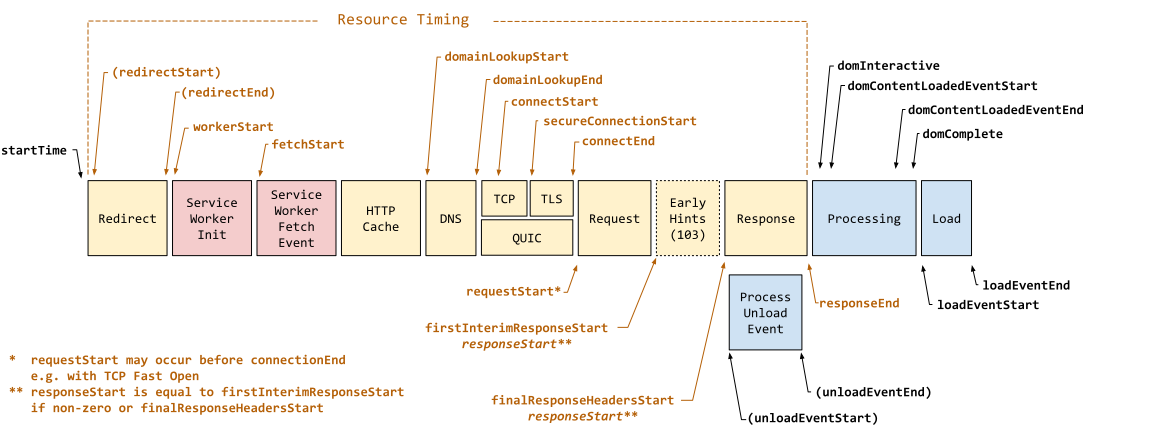
4.1. 处理模型
PerformanceNavigationTiming
接口定义的时序属性。带括号的属性代表涉及不同
源文档导航时可能不可用。
5. 创建导航时序条目
每个文档都关联一个导航时序条目,初始为未设值。
要为 Document
document 创建
导航计时条目,
给定一个获取计时信息 fetchTiming、一个数值
redirectCount、一个
NavigationTimingType
navigationType、一个 null 或service worker 计时信息 serviceWorkerTiming、
一个 DOMString cacheMode、一个 DOMHighResTimeStamp
criticalCHRestart,以及一个响应正文
信息 bodyInfo,执行以下步骤:
- 令 global 为 document 的 相关全局对象。
- 令 navigationTimingEntry 为新建的
PerformanceNavigationTiming对象,分配在 global 的 realm 内。 - 为 navigationTimingEntry 执行资源时序条目设置,给定 "
navigation"、 document 的URL, fetchTiming、cacheMode 和 bodyInfo。 - 设置 navigationTimingEntry 的文档加载时序为document 的加载时序信息
- 设置 navigationTimingEntry 的前文档卸载时序 为 document 的前文档卸载时序。
- 设置 navigationTimingEntry 的重定向计数 为 redirectCount。
- 设置 navigationTimingEntry 的导航类型 为 navigationType。
- 设置 navigationTimingEntry 的service worker 时序 为 serviceWorkerTiming。
- 设置 document 的 导航时序条目为 navigationTimingEntry。
- 设置 navigationTimingEntry 的`Critical-CH` 重启时间 为 criticalCHRestart。
- 设置 navigationTimingEntry 的未恢复原因 为用 document 的未恢复原因创建 NotRestoredReasons 对象 的结果。
- 将 navigationTimingEntry 加入 global 的 performance entry buffer。
要为 Document
document排队导航时序条目,
排队 document 的
导航时序条目。
6. 隐私考量
本节为非规范内容。
6.1. 信息披露
利用精心设计的时序攻击,有泄露终端用户浏览和活动历史的风险。例如,卸载时间揭示了前一页执行其 unload 处理器的时长,可能被用于推测 用户登录状态。这类攻击通过卸载文档时强制执行 同源检测算法得到缓解,详见 HTML 规范。
放宽同源策略不足以阻止对其它文档的未授权访问。在共享托管环境里,不受信第三方可在同一 IP 不同端口部署 HTTP 服务器。
6.2. 跨目录访问
同一主机下不同页面(如用户内容平台中不同作者的页面)被认为属于同源, 因为没有机制可按路径名限制访问。页面间导航允许后续页面访问前一页的时序信息, 包括重定向和卸载事件等相关时序。
7. 安全考量
本节为非规范内容。
PerformanceNavigationTiming
接口会将前一个文档时序信息暴露给当前文档。
为限制包含前文档信息的 PerformanceNavigationTiming
属性的访问,
前文档卸载算法
会强制执行同源策略,
并将相关属性设为零。
7.1. 检测代理服务器
若用户代理与 Web 服务器之间部署有代理,
connectStart
到
connectEnd
的时间间隔反映用户代理与代理之间的延迟,而非 Web 服务器。
因此,Web 服务器有可能推断出代理的存在。对于 SOCKS 代理,该时间段还包含代理认证以及代理到 Web 服务器连接时间,这对代理探测有干扰。
若为 HTTP 代理,用户代理甚至可能完全无感知,因此无法总能防止该类攻击。
8. 废弃内容
本节定义了
[NAVIGATION-TIMING]
第一版中引入的属性和接口,仅为兼容性保留。作者不应再使用下列接口,强烈建议改用新的
PerformanceNavigationTiming
接口——参见变更及改进摘要。
8.1. PerformanceTiming 接口
[Exposed =Window ]interface {PerformanceTiming readonly attribute unsigned long long ;navigationStart readonly attribute unsigned long long ;unloadEventStart readonly attribute unsigned long long ;unloadEventEnd readonly attribute unsigned long long ;redirectStart readonly attribute unsigned long long ;redirectEnd readonly attribute unsigned long long ;fetchStart readonly attribute unsigned long long ;domainLookupStart readonly attribute unsigned long long ;domainLookupEnd readonly attribute unsigned long long ;connectStart readonly attribute unsigned long long ;connectEnd readonly attribute unsigned long long ;secureConnectionStart readonly attribute unsigned long long ;requestStart readonly attribute unsigned long long ;responseStart readonly attribute unsigned long long ;responseEnd readonly attribute unsigned long long ;domLoading readonly attribute unsigned long long ;domInteractive readonly attribute unsigned long long ;domContentLoadedEventStart readonly attribute unsigned long long ;domContentLoadedEventEnd readonly attribute unsigned long long ;domComplete readonly attribute unsigned long long ;loadEventStart readonly attribute unsigned long long ; [loadEventEnd Default ]object (); };toJSON
本节定义的所有时间值均以自 起的毫秒数计。
- navigationStart
-
此属性必须返回用户 代理完成对上一文档提示 卸载之后立即的时间。如果没有上一 文档,则此属性必须返回当前 文档被创建的时间。
此属性未为
PerformanceNavigationTiming定义。作为替代,作者可以使用timeOrigin来获取等效的时间戳。 - unloadEventStart
-
如果上一文档和当前文档具有相同的 源,则此 属性 必须返回用户代理开始上一文档的 unload 事件 之前立即的时间。如果没有上一文档,或者 上一文档与当前文档具有不同的源,则此 属性必须返回零。
- unloadEventEnd
-
如果上一文档和当前文档 同源,则此 属性 必须返回用户代理完成上一文档的 unload 事件 之后立即的时间。如果没有上一文档,或者 上一文档与当前文档具有不同的源,或者 unload 尚未完成,则此属性必须返回零。
如果导航时存在HTTP 重定向,且并非所有重定向都来自 同一个源,则
unloadEventStart和unloadEventEnd都必须返回零。 - redirectStart
-
如果导航时存在HTTP 重定向,并且所有重定向都来自 同一个源,则此 属性必须返回发起该重定向的
获取开始时间。 否则,此属性必须 返回零。 - redirectEnd
-
如果导航时存在HTTP 重定向,并且所有重定向都来自同一个 源,则此 属性 必须返回收到最后一次重定向响应的最后一个字节 之后立即的时间。否则,此属性必须 返回零。
- fetchStart
-
如果要使用 "GET" 获取新资源 请求 方法,fetchStart 必须返回用户代理开始检查 HTTP 缓存 [RFC9111] 之前立即的时间。否则,它必须 返回 用户代理开始获取该 资源的时间。
- domainLookupStart
-
此属性必须返回用户 代理开始对当前文档进行域名查找之前立即的时间。如果 使用了持久 连接 [RFC9112],或者 当前文档是从 HTTP 缓存 [RFC9111] 或本地资源中检索的, 则此属性必须返回与
fetchStart相同的值。 - domainLookupEnd
-
此属性必须返回用户 代理完成对当前文档的域名查找之后立即的时间。 如果使用了持久 连接 [RFC9112],或者 当前文档是从 HTTP 缓存 [RFC9111] 或本地资源中检索的, 则此属性必须返回与
fetchStart相同的值。检查并检索 HTTP 缓存 [RFC9111] 中的内容是 获取过程的一部分。它由
requestStart、responseStart和responseEnd属性涵盖。如果用户代理已经在缓存中拥有域信息, 则 domainLookupStart 和 domainLookupEnd 表示 用户代理从缓存中开始和结束检索域数据的 时间。
- connectStart
-
此属性必须返回用户 代理开始建立到服务器的连接以检索 文档之前立即的时间。如果使用了持久 连接 [RFC9112],或者当前文档是 从 HTTP 缓存 [RFC9111] 或 本地资源中检索的,则此属性必须返回
domainLookupEnd的值。 - connectEnd
-
此属性必须返回用户 代理完成建立到服务器的连接以 检索当前文档之后立即的时间。如果使用了 持久连接 [RFC9112],或者 当前文档是从 HTTP 缓存 [RFC9111] 或本地资源中检索的, 则此属性必须返回
domainLookupEnd的值。如果传输连接失败,并且用户代理重新打开 连接,则
connectStart和connectEnd应返回新连接相应的 值。connectEnd必须包括建立传输连接所需的时间间隔, 以及其他时间 间隔,例如 SSL 握手和 SOCKS 身份验证。 - secureConnectionStart
-
此属性是可选的。无法提供此 属性的用户代理必须将其设置为 undefined。当此属性 可用时,如果当前页面的方案 [URL] 为 "https",则此属性必须返回 用户代理开始用于保护当前连接的握手过程之前立即的时间。 如果此属性可用但未使用 HTTPS, 则此属性必须返回零。
- requestStart
-
此属性必须返回用户 代理开始从服务器、或 HTTP 缓存 [RFC9111] 或本地 资源请求当前文档之前立即的时间。
如果发送请求后传输连接失败,并且 用户代理重新打开连接并重新发送请求,
requestStart应返回新请求相应的 值。此接口不包含用于表示 请求发送完成的属性,例如 requestEnd。
- 用户代理完成发送请求 并不总是表示网络传输中相应的完成时间, 而后者正是拥有此类属性的大部分价值 所在。
- 由于 HTTP 层 封装,一些用户代理确定请求实际 发送完成时间的成本很高。
- responseStart
-
此属性必须返回用户 代理从服务器、或 HTTP 缓存 [RFC9111] 或本地 资源收到响应的第一个字节之后立即的时间。
- responseEnd
-
此属性必须返回用户 代理收到当前文档的最后一个字节之后立即的时间,或者 传输连接关闭之前立即的时间,以 较早发生者为准。此处的文档可以从 服务器、HTTP 缓存 [RFC9111] 或 本地资源中接收。
- domLoading
-
此属性必须返回用户 代理将当前文档 就绪状态设置为 "loading" 之前立即的时间。
由于现有用户代理创建 Document 对象的时机 存在差异,
domLoading返回的值由实现决定,不应 用于有意义的度量指标。 - domInteractive
-
此属性必须返回用户 代理将当前文档 就绪状态设置为 "interactive" 之前立即的时间。
- domContentLoadedEventStart
-
此属性必须返回用户 代理在
Document上触发 DOMContentLoaded 事件之前立即的时间。 - domContentLoadedEventEnd
-
此属性必须返回 文档的 DOMContentLoaded 事件完成之后立即的时间。
- domComplete
-
此属性必须返回用户 代理将当前文档 就绪状态设置为 "complete" 之前立即的时间。
如果当前文档 就绪状态多次更改为相同状态,
domLoading、domInteractive、domContentLoadedEventStart、domContentLoadedEventEnd和domComplete必须返回相应文档就绪状态 首次发生更改的时间。 - loadEventStart
-
此属性必须返回当前文档的 load 事件被触发之前立即的时间。当 load 事件尚未触发时,它必须返回零。
- loadEventEnd
-
此属性必须返回当前文档的 load 事件 完成的时间。当 load 事件尚未触发或尚未完成时,它必须返回零。
- toJSON()
- 为 this 运行默认 toJSON 步骤。
8.2. PerformanceNavigation 接口
[Exposed =Window ]interface {PerformanceNavigation const unsigned short = 0;TYPE_NAVIGATE const unsigned short = 1;TYPE_RELOAD const unsigned short = 2;TYPE_BACK_FORWARD const unsigned short = 255;TYPE_RESERVED readonly attribute unsigned short ;type readonly attribute unsigned short ; [redirectCount Default ]object (); };toJSON
- TYPE_NAVIGATE
- TYPE_RELOAD
- TYPE_BACK_FORWARD
-
历史记录处理行为 被设置为 "entry update" 的导航。
- TYPE_RESERVED
-
上述值未定义的任何导航类型。
- type
-
此属性必须返回上一次非重定向 导航的类型。 它必须具有以下
导航类型值之一。客户端重定向,例如使用Refresh pragma 指令的重定向,不被本规范视为HTTP 重定向。在这些 情况下,
type属性应该返回适当的值,例如 重新加载当前页面时返回TYPE_RELOAD,或者 导航到新 URL 时返回TYPE_NAVIGATE。 - redirectCount
-
此属性必须返回自上一次 非重定向导航以来的重定向次数。如果没有重定向,或者存在任何 与 目标文档 不同源的 重定向,则此属性必须返回零。
- toJSON()
- 为 this 运行默认 toJSON 步骤。
8.3.
对 Performance 接口的扩展
[Exposed =Window ]partial interface Performance { [SameObject ]readonly attribute PerformanceTiming ; [timing SameObject ]readonly attribute PerformanceNavigation ; };navigation
Performance 接口定义见 [PERFORMANCE-TIMELINE-2]。
- timing
-
timing属性表示自上次非重定向导航以来的时序信息。 该属性由PerformanceTiming接口定义。 - navigation
-
navigation属性由PerformanceNavigation接口定义。
9. 致谢
感谢 Anne Van Kesteren、Arvind Jain、Boris Zbarsky、Jason Weber、 Jonas Sicking、James Simonsen、Karen Anderson、Nic Jansma、Philippe Le Hegaret、Steve Souders、Todd Reifsteck、Tony Gentilcore、William Chan 和 Zhiheng Wang 对本规范的贡献。